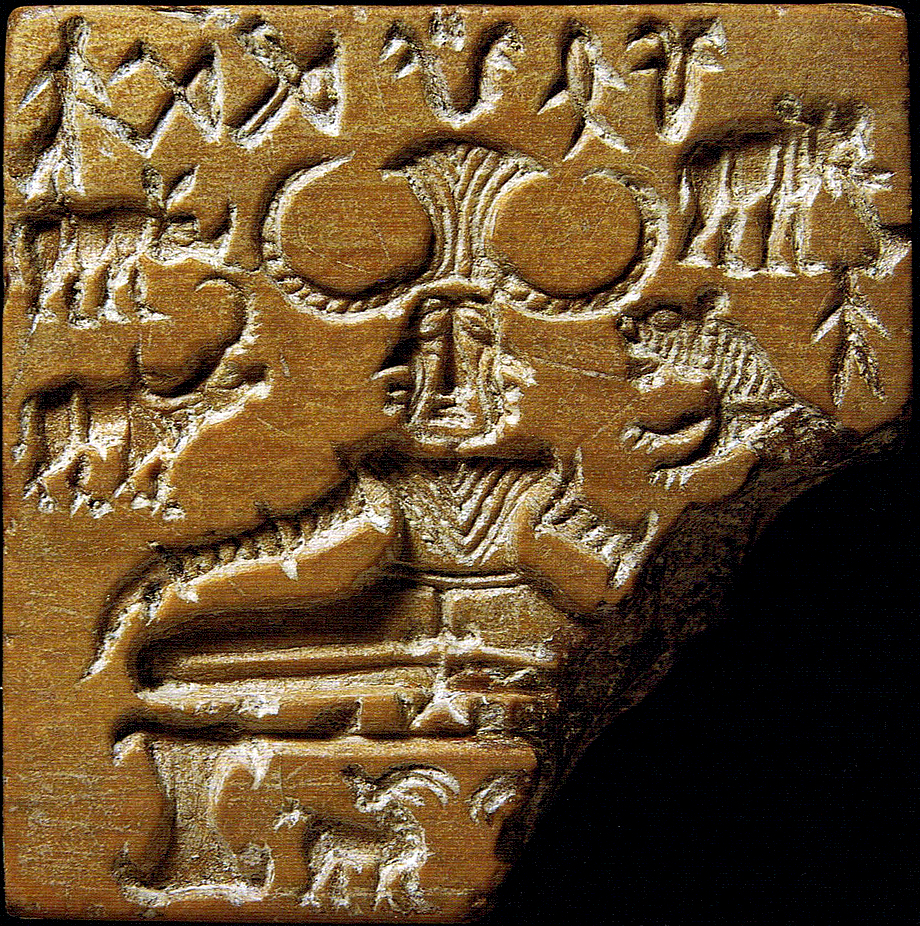
Overview
Pashupati (Sanskrit: पशुपति, IAST: Paśupati, literally 'lord of animals') is a well-known epithet associated with the Hindu deity Shiva. The compound term combines paśu, meaning animal or creature, with pati, meaning lord or master, conveying the sense of a divine guardian or herdsman of all living beings.
The name appears in the Vedic period as an epithet of Rudra, a fierce deity invoked in the Rigveda and later texts. Over time, as Rudra came to be identified with Shiva in the broader Hindu tradition, Pashupati emerged as one of the principal designations of Shiva, particularly in his benign and protective aspect.
In this aspect, Pashupati is described as the five-faced herdsman who watches over all creatures. The imagery of a pastoral guardian draws upon the older sense of paśu, which referred to domesticated animals, and was extended in religious thought to encompass all sentient beings under divine care. The five faces are associated in Shaiva traditions with different cosmic functions and directions.
The epithet is significant within Shaivism, where Pashupati represents the merciful, sheltering form of Shiva. It also lends its name to the Pashupata tradition, one of the early sects of Shaiva worship, and to temples dedicated to Shiva under this name in the Indian subcontinent.